Before booking an appointment, many patients search for a doctor’s qualifications, read online reviews, explore clinic websites, and look for reliable healthcare information. Their first impression often develops online, long before they enter a consultation room. This makes digital credibility an essential part of modern medical practice.
Understanding how to build trust online as a doctor means creating a professional, transparent, and patient-focused digital presence. From maintaining accurate online profiles to sharing medically responsible content, every interaction can influence how patients perceive a healthcare professional.
For doctors and clinics, online trust is not about collecting followers or publishing promotional messages every day. It is about demonstrating expertise, communicating honestly, protecting patient privacy, and making reliable information accessible when people need it.
Why Is Online Trust Important for Doctors?
Healthcare decisions involve personal concerns, sensitive information, and sometimes significant uncertainty. Patients want to feel confident that a doctor is qualified, approachable, and committed to their well-being.
A trustworthy online presence can help doctors:
- Establish credibility before the first consultation.
- Help patients understand their qualifications and services.
- Make clinic information easier to find.
- Communicate health information responsibly.
- Encourage meaningful enquiries and appointment bookings.
- Build stronger relationships through consistent communication.
However, online visibility alone does not guarantee trust. Patients need accurate information, respectful communication, and realistic expectations to make informed decisions.
1. Create a Professional and Informative Medical Website
Your website often acts as your digital reception desk. It should help patients understand who you are, what you specialize in, and how they can contact your practice.
Include Clear Doctor Credentials
Create a detailed profile featuring your qualifications, recognized professional registrations where appropriate, specialization, clinical experience, and areas of practice. Present information clearly and avoid exaggerated claims such as guaranteed cures or unsupported claims of being the best doctor.
Make Patient Information Accessible
Include essential details such as clinic location, consultation hours, contact information, services, and appointment procedures. A mobile-friendly design, readable fonts, fast loading speed, and simple navigation make the experience more convenient.
Strengthen Website Credibility
Use secure website connections, maintain updated information, and provide a clear privacy policy explaining how personal data is handled. These details demonstrate professionalism and help patients navigate your website with greater confidence.
2. Build Trust Through Google Business Profile Optimization
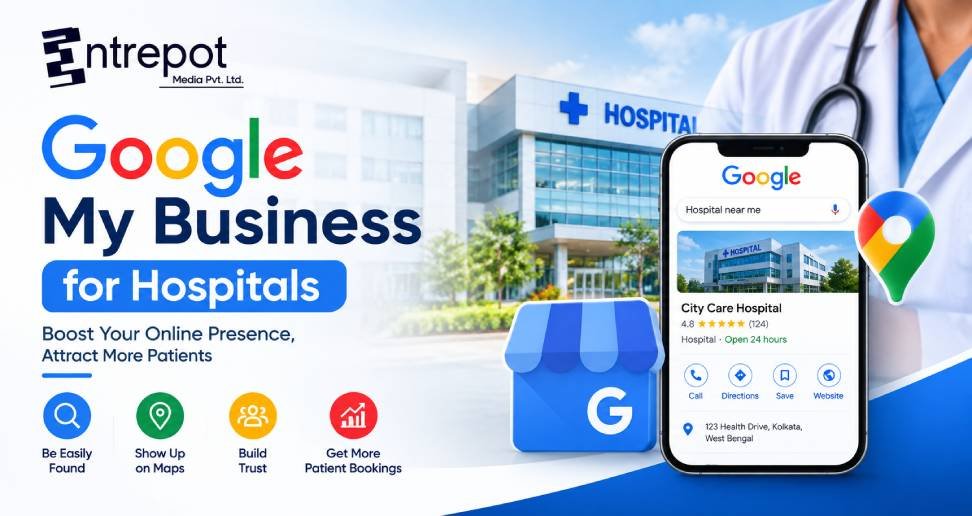
When patients search for a nearby specialist, Google Search and Maps may be their first point of contact. An accurate Google Business Profile helps people discover essential information about your practice.
Keep your clinic name, address, phone number, opening hours, and service details updated. Add authentic photographs of your clinic, reception area, and facilities where appropriate.
Choose relevant business categories and maintain consistent information across your website and online listings. Regular updates can help patients understand available services and important changes.
Respond professionally to reviews without disclosing confidential medical information. Even when a review is negative, a calm and respectful response can demonstrate accountability.
3. Publish Helpful and Medically Responsible Content
Patients frequently search online for explanations of symptoms, treatments, preventive care, and medical procedures. Educational content allows doctors to address these questions while demonstrating their commitment to patient awareness.
Consider publishing:
- Blog articles answering common healthcare questions.
- Short videos explaining preventive health practices.
- Frequently asked questions about consultations and procedures.
- Myth-versus-fact posts addressing common misconceptions.
- Seasonal health awareness content.
- Guidance on when professional medical evaluation may be necessary.
Content should be accurate, understandable, and appropriately reviewed. Explain medical terminology in simple language, acknowledge uncertainty where relevant, and avoid presenting general information as a personalized diagnosis.
Consistent, useful content can support search engine optimization while giving patients practical reasons to view your website as a reliable resource.
4. Manage Online Reviews with Honesty and Professionalism
Online reviews can influence how prospective patients evaluate a doctor or clinic. Authentic feedback may provide useful insight into communication, appointment processes, accessibility, and the overall patient experience.
Invite patients to share honest feedback without pressure, incentives that compromise authenticity, or requests for only positive reviews. Never purchase fake reviews or manipulate ratings.
When responding to feedback, remain polite and professional. Avoid confirming that someone is your patient, discussing treatment details, or sharing private information publicly. For sensitive complaints, offer an appropriate private contact route without making promises about clinical outcomes.
Remember that reviews are only one part of credibility. Accurate credentials, useful educational information, and respectful patient care also matter.
5. Use Social Media to Show the Human Side of Healthcare
Social media can help doctors communicate beyond the consultation room. Platforms such as Facebook, Instagram, and LinkedIn provide opportunities to share educational information, practice updates, and professional insights.
Instead of relying entirely on promotional posts, create content that answers genuine patient questions. Short explanatory videos, simple infographics, and practical health reminders can make complex subjects easier to understand.
Maintain a consistent professional tone and correct misinformation respectfully. Establish clear boundaries for direct messages: social media conversations should not replace clinical assessment, and urgent medical concerns should be directed toward appropriate care.
Before sharing patient stories, photographs, testimonials, or clinical cases, obtain valid informed consent where required and follow applicable confidentiality rules.
6. Protect Patient Privacy Across Every Digital Channel
Trust can disappear quickly when sensitive information is handled carelessly. Doctors should treat privacy as a core element of their online reputation.
Use secure systems for appointment enquiries, restrict access to patient information, and avoid discussing identifiable cases in public comments. Ensure that website forms and communication platforms follow applicable data protection requirements.
Never assume that removing a patient’s name automatically makes a clinical story anonymous. Details such as dates, photographs, rare conditions, or personal circumstances may still reveal someone’s identity.
Clear privacy practices show patients that their information deserves the same care as their health.
7. Apply SEO to Make Reliable Information Discoverable
Even excellent content cannot build much online trust if patients cannot find it. Search engine optimization helps connect relevant healthcare information with people searching for appropriate services.
Use natural, location-specific keywords where relevant, such as a specialty and city. Organize pages with descriptive headings, write meaningful page titles and meta descriptions, and connect related articles through internal links.
Demonstrate experience and expertise through accurate author profiles, professional credentials, references to reliable medical sources, and appropriate clinical review.
SEO should support helpful communication rather than encourage keyword stuffing or exaggerated medical claims. Sustainable visibility depends on useful content and a positive website experience.
FAQs:
How can doctors build trust online?
Doctors can build trust through transparent credentials, accurate clinic listings, informative content, authentic reviews, secure websites, and professional communication.
Do online reviews influence a doctor’s reputation?
Yes. Reviews can shape first impressions, particularly when patients compare nearby providers. Genuine feedback and respectful responses help demonstrate professionalism.
What should doctors post on social media?
Doctors can share preventive healthcare advice, educational videos, answers to common questions, clinic updates, and awareness campaigns while protecting patient confidentiality.
How does SEO help doctors gain patient trust?
SEO makes useful medical information and accurate practice details easier to discover. Strong visibility combined with credible content can help patients evaluate a doctor more confidently.
Can digital marketing guarantee patient trust?
No. Digital marketing can support credibility and communication, but lasting trust depends on honest information, responsible conduct, patient privacy, and the quality of care.
Conclusion
Learning how to build trust online as a doctor starts with putting patients first in every digital interaction. A professional website, accurate Google Business Profile, useful educational content, authentic reviews, responsible social media activity, and strong privacy practices create a foundation for lasting credibility.
For doctors and clinics, digital trust should be a continuous commitment rather than a one-time marketing campaign. Entrepot Media Pvt. Ltd. helps healthcare businesses strengthen their online presence through SEO, website development, social media management, PPC advertising, and Google Business Profile optimization.
With a consistent, transparent, and patient-focused digital strategy, doctors can make reliable information easier to find and help prospective patients approach their healthcare journey with greater confidence.
Read More: